


Table of Contents
Outdoor landscaping is not only about choosing the right plants. Ground-level materials also influence how organized, colorful, and cohesive a space looks. For garden beds, walkways, planters, water features, and commercial landscapes, decorative glass can provide an alternative to conventional mulch, gravel, and stone.
Established in China in 2002, Daixi Glass supplies decorative glass materials for landscaping, architectural decoration, and other outdoor applications. Its landscape glass range includes colored glass rocks and glow-in-the-dark options, giving landscape contractors, distributors, garden centers, and project buyers different materials for residential and commercial projects.
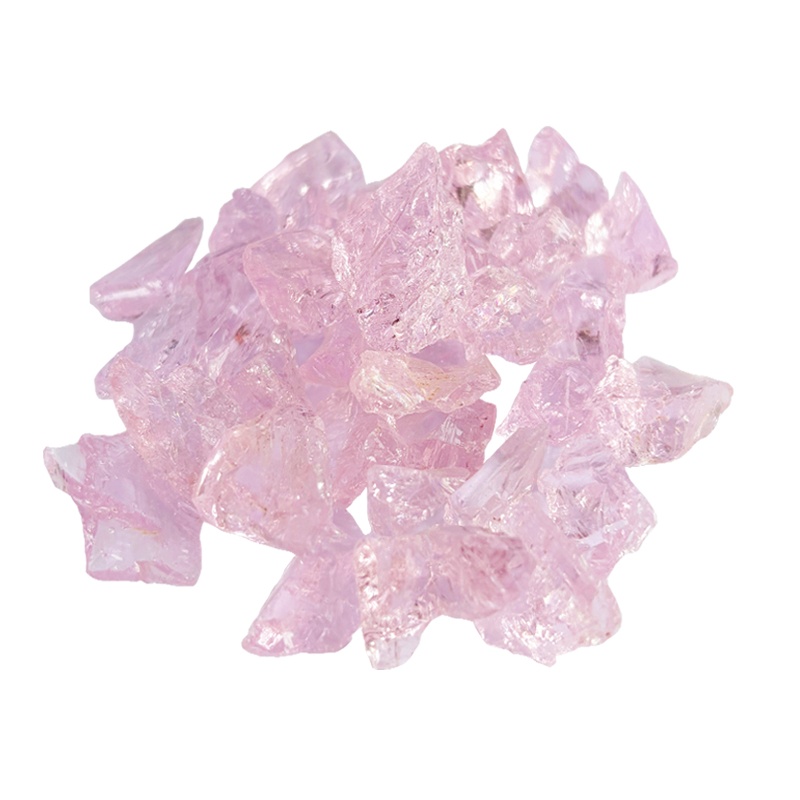
Made from 100% recycled materials, the colored landscape glass range combines decorative appeal with a material choice that can support sustainability-focused landscape projects.
What Makes Landscape Glass Different?
Landscape glass is primarily selected for its visual character. Compared with ordinary gravel or organic mulch, colored glass can introduce stronger color, light reflection, and a more distinctive surface finish.
The available range includes options such as Aqua Blue, Amerald, and glow-in-the-dark glass and pebble styles. These products can be used individually or combined with other decorative materials depending on the landscape design.
For buyers, several product factors are worth considering before making a selection:
- Color and visual effect
- Particle size and shape
- Intended landscape application
- Compatibility with surrounding materials
- Quantity required
- Packaging requirements
- Sample availability
- Batch color consistency
- Bulk supply and delivery arrangements
For project buyers, these factors are often more important than simply choosing the most attractive color in a product photograph.
Add Color and Texture to Garden Beds
Garden beds are one of the most straightforward applications for decorative landscape glass.
A layer of colored glass can visually separate planting areas from lawns, paving, or surrounding structures. It can also provide a more defined finish around shrubs, flowers, and ornamental plants.
Aqua Blue glass rocks can bring a cool, fresh appearance to poolside gardens and coastal landscapes. Amerald, with its green tone and subtle blue character, can work well with plants and natural landscape settings. Smaller or more neutral glass materials can also be used around planters, tree surrounds, and decorative borders.
| Garden application | Recommended glass direction | Visual effect |
| Flower beds | Aqua Blue, Amerald | Fresh, colorful, contemporary |
| Tree surrounds | Mixed colored glass rocks | Defined and decorative |
| Planter surfaces | Fine glass or small decorative pieces | Clean and refined |
| Path borders | Colored glass along edges | Structured and understated |
| Water-feature edges | Blue or green-toned glass | Cool and cohesive |
The selected color should complement the plants and hardscape rather than compete with them. In larger projects, using one main color throughout several areas can also create a more consistent visual identity.
Define Walkways, Borders, and Transitions
Landscape glass does not have to replace the main paving material. It can instead be used as an accent beside concrete paths, stone paving, timber decking, or steps.
A narrow strip of glass along a walkway can separate the path from planting areas. Around a tree or planter, colored glass can create a clear boundary without introducing another heavy structural element.
For commercial landscapes, this approach can be especially useful when the same design concept needs to be repeated across several areas.
Hotels, office developments, retail plazas, residential communities, and public landscapes can use coordinated glass colors around:
- Walkways
- Entrance areas
- Courtyards
- Planters
- Tree surrounds
- Seating areas
- Feature landscaping
- Water features
This makes the material useful not only as ground cover but also as a design element that connects different outdoor zones.
Select Colors for Different Landscape Styles
Color selection should start with the project's existing materials.
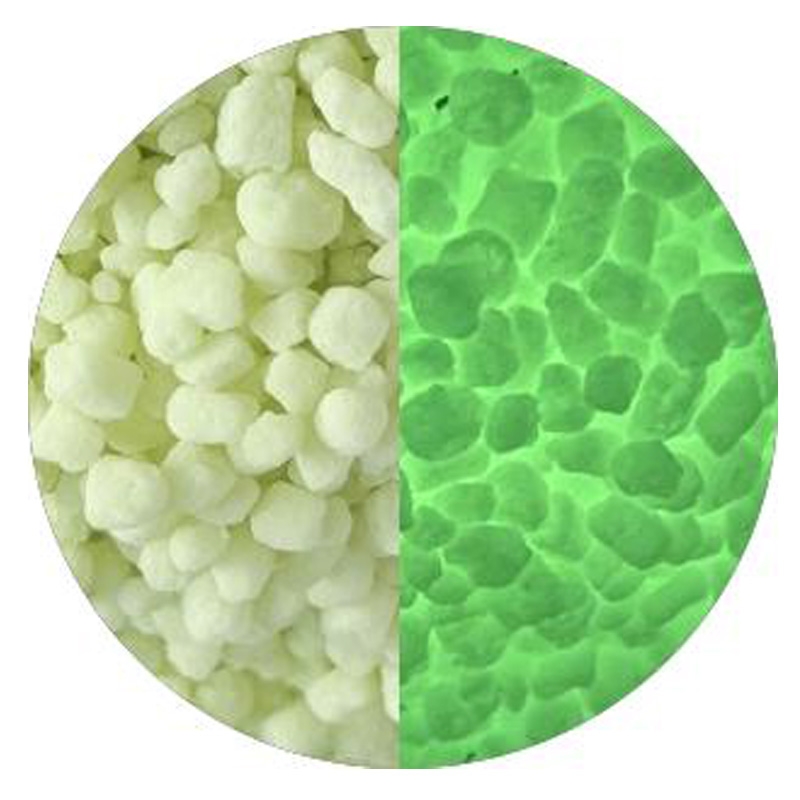
Aqua Blue can work with pools, light-colored paving, and coastal architecture. Amerald can blend more naturally with green planting and garden environments. Glow-in-the-dark options can provide a different visual effect for selected paths and feature areas, particularly where nighttime appearance is part of the design concept.
| Landscape style | Recommended glass colors | Typical application |
| Coastal and poolside | Aqua Blue, blue tones | Pool borders, garden beds, water features |
| Contemporary | Aqua Blue, clear or selected neutral tones | Courtyards, entrances, modern planters |
| Garden and natural | Amerald, green tones | Planting beds, tree surrounds, garden borders |
| Resort | Aqua Blue, Amerald, mixed blue-green tones | Hotel gardens, pathways, poolside areas |
| Nighttime feature spaces | Glow-in-the-dark blue, teal, or green | Paths, borders, decorative zones |
For most projects, a controlled color palette is easier to manage than using many colors randomly. One primary color can cover the majority of the landscape, while a second shade can be introduced around selected feature areas.
Use Recycled Glass as a Decorative Mulch Alternative
One of the strongest characteristics of this landscape glass range is its recycled material content. The products are described as being made from 100% recycled materials.
This gives landscape designers and buyers another material option when a project has sustainability objectives in addition to visual requirements.
Compared with organic mulch, recycled glass does not decompose in the same way and can provide a more permanent decorative surface. It can be used:
- Over exposed soil in planting beds
- Around shrubs and small trees
- In commercial planters
- Around decorative landscape features
- Along selected walkways and borders
- In areas where a consistent decorative surface is preferred
However, landscape glass should be selected according to the specific application and site conditions. Buyers should confirm the appropriate product form and installation requirements before using it in pedestrian areas or other specialized applications.
Glow-in-the-Dark Options Add a Different Effect
For projects that need visual interest after sunset, glow-in-the-dark glass and pebble options provide another possibility within the landscape glass range.
Blue, teal, and green glow-in-the-dark materials can be considered for:
- Garden paths
- Decorative borders
- Resort landscapes
- Courtyard features
- Event spaces
- Selected nighttime landscape installations
The purpose is not to replace functional outdoor lighting. Instead, the glow effect can act as a decorative accent alongside normal landscape and safety lighting.
This makes glow-in-the-dark glass particularly interesting for hospitality projects where the appearance of a landscape changes between daytime and evening use.
Combine Landscape Glass With Other Materials
Colored glass does not need to be used alone.
It can be combined with natural stone, white pebbles, wood, concrete, metal edging, plants, and other landscape materials to create contrast.
| Main landscape material | Glass direction | Design effect |
| Natural stone | Aqua Blue | Strong color contrast |
| Green planting | Amerald | Natural color transition |
| White stone | Blue or teal | Clear decorative contrast |
| Timber | Green or earth-related tones | Warm, organic appearance |
| Concrete | Aqua Blue or selected bright colors | Modern visual accent |
| Water features | Blue and green tones | Cohesive relationship with water |
The advantage of using glass as an accent is that relatively small areas can create a noticeable visual difference without changing the entire landscape structure.
What Should Bulk Buyers Check?
For garden centers, importers, distributors, and landscaping contractors, product appearance is only one part of the purchasing decision.
Before placing a commercial order, buyers should confirm:
- Product name and color
- Particle size and product form
- Material composition
- Sample availability
- Packaging format
- Quantity per bag or pallet
- Batch consistency
- Production lead time
- Shipping requirements
- Future repeat-order availability
The supplier states that it uses selected raw materials, automated production, and batch-level color checks to maintain product consistency. Samples can also be requested before purchase.
For large projects, retaining an approved physical sample and written product specification is recommended. This gives the buyer a reference when checking the delivered material and when placing repeat orders.
Bulk Landscape Glass Supply and Logistics
Commercial landscaping projects may require substantially more material than residential garden applications. A supplier therefore needs to support not only product selection but also packaging, production planning, and international delivery.
The supplier states that regular export orders are commonly handled as full-container loads of approximately 20–24 tons. Logistics support is also available for delivery to a designated port or through door-to-door arrangements according to buyer requirements.
For buyers planning a large project, the quotation should clearly specify:
| Procurement item | What to confirm |
| Product | Color, form, size, and approved sample |
| Quantity | Total requirement and contingency |
| Packaging | Bag type, weight, pallet or bulk format |
| Production | Lead time and production schedule |
| Quality | Color-control and batch inspection |
| Shipping | Destination and delivery terms |
| Documentation | Export and commercial documents |
| Repeat orders | Availability for future project phases |
These details can help buyers compare suppliers on a more realistic basis instead of looking only at the price per kilogram or ton.
Why Consider This Landscape Glass Range?
With a range covering colored glass rocks, glow-in-the-dark options, and other decorative glass materials, the product selection can accommodate different landscape concepts without requiring designers to rely on a single appearance.
For landscape contractors and distributors, having several color directions can also make it easier to serve different customer preferences, from residential garden projects to hotel landscaping and larger commercial developments.
The supplier states that annual production capacity reaches 4,500 tons, with exports to more than 20 countries and regions and more than 500 containers handled annually. It also reports more than 200 cooperative partners.
For buyers, these figures are relevant when evaluating whether a supplier can support larger orders and ongoing material requirements rather than only one-time small purchases.
FAQs
1. What are the main uses of colored landscape glass?
It can be used for garden beds, tree surrounds, planter surfaces, walkway borders, water-feature edges, poolside landscaping, courtyards, hotel gardens, and other commercial outdoor areas.
2. What colors of landscape glass are available?
The range includes options such as Aqua Blue and Amerald, as well as glow-in-the-dark glass and pebble options in blue, teal, and green. Buyers should confirm current colors, sizes, and specifications when requesting a quotation.
3. Is the landscape glass made from recycled materials?
The landscape glass is described as being made from 100% recycled materials, making it an option for projects with sustainability-focused material requirements.
4. Can landscape glass be used in commercial landscaping projects?
Yes. It can be considered for hotel landscapes, resorts, retail developments, office courtyards, residential developments, garden centers, and other commercial landscape applications. The product form and application should be confirmed according to the specific project.
5. Can buyers request samples before placing a bulk order?
Yes. Buyers can request samples before committing to a larger order. Providing the intended application, preferred color, quantity, and delivery destination can help the supplier recommend an appropriate product.
6. What is the typical bulk order quantity?
Regular export orders are commonly handled as full-container loads of approximately 20–24 tons. Special requirements can be discussed according to the project and product specifications.
7. How is color consistency managed?
The supplier states that it uses selected raw materials, automated production, and batch-level color checks. Buyers working on large projects should still approve a physical sample and retain the product specification for future reference.
8. Can international shipping be arranged?
Delivery to a designated port or door-to-door logistics can be discussed according to buyer requirements. Shipping terms, documentation, and delivery responsibilities should be confirmed before production begins.
From Garden Details to Large-Scale Landscape Projects
Colored landscape glass can do more than add color to a garden bed. It can define borders, create contrast around plants, connect different outdoor zones, and introduce a distinctive decorative element to commercial landscapes.
With 100% recycled material content, multiple color options, glow-in-the-dark products, sample support, and bulk export capabilities, Daixi Glass can provide landscape glass rocks for garden centers, landscaping contractors, hospitality projects, distributors, and commercial developments.
For buyers considering landscape glass for a new project, the best starting point is to define the application, required color, product specification, quantity, and delivery destination before requesting a sample and quotation. This allows the material to be evaluated not only for appearance but also for its suitability for the project's actual sourcing and installation requirements.